In just under ten minutes on Sunday morning, a group of thieves carried out a highly coordinated jewelry heist at the Louvre Museum in Paris, targeting the Apollo Gallery, home to France’s historic crown jewels. After arriving around 9:30 a.m., two thieves used a truck-
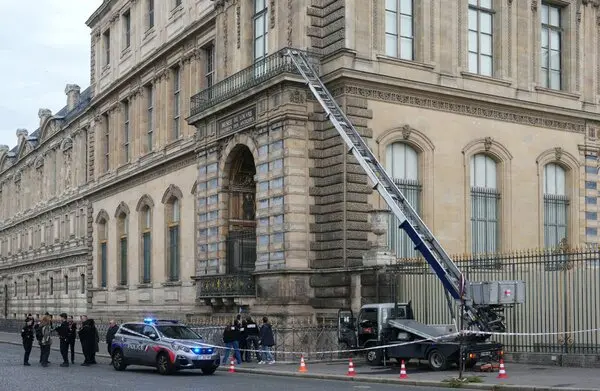
mounted ladder to reach a second-floor window, broke in with power tools, and triggered multiple security alarms as they entered the gallery.
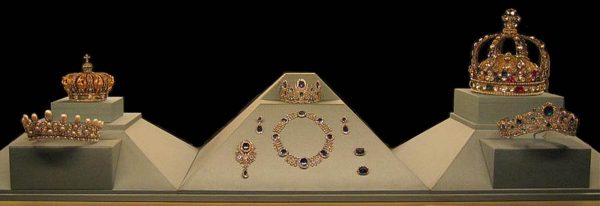
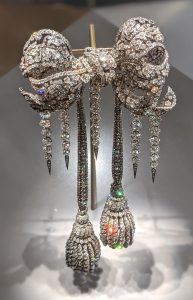
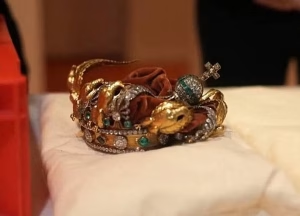
Inside, they smashed two high-security display cases and stole eight priceless pieces of jewelry, later valued at about €88 million (roughly $102 million), including a royal sapphire necklace, a royal emerald necklace, and a diadem worn by Empress Eugénie, the wife of Napoleon III. During their hurried escape, the thieves dropped a ninth item, Empress Eugénie’s crown—adorned with gold eagles, more than 1,300 diamonds, rose-cut diamonds, and emeralds—which was later recovered but damaged. The group fled by climbing back down the ladder and escaping on high-powered scooters. French authorities later identified four primary suspects in connection with the heist: Abdoulaye N., Slimane K., Ayed G., and Rachid H.

Public reaction to the heist was immediate and intense, with officials condemning the theft while also grappling with how such a bold crime could occur at one of the world’s most famous museums. Online, however, the response quickly shifted from shock to fascination, as social media users analyzed timelines, maps, and security footage, turning the robbery into viral content and treating it more like a cinematic spectacle than a real crime. The speed and precision of the heist—carried out in broad daylight and completed in under ten minutes—led many to speculate that it was an inside job, especially given how organized the operation appeared. As Paris prosecutor Laure Beccuau remarked, the suspects were known for “a polymorphous delinquency that one doesn’t associate with the heights of organized crime,” a statement that only deepened public suspicion by highlighting the contrast between their criminal history and the efficiency of the robbery. Other theories went even further, with some suggesting the heist was an elaborate advertisement for the upcoming Now You See Me: Now You Don’t. Despite official pushback against these claims, the spectacle inspired countless parodies and memes, and by the time Halloween approached, “Louvre thief” costumes and joke reenactments were already circulating.